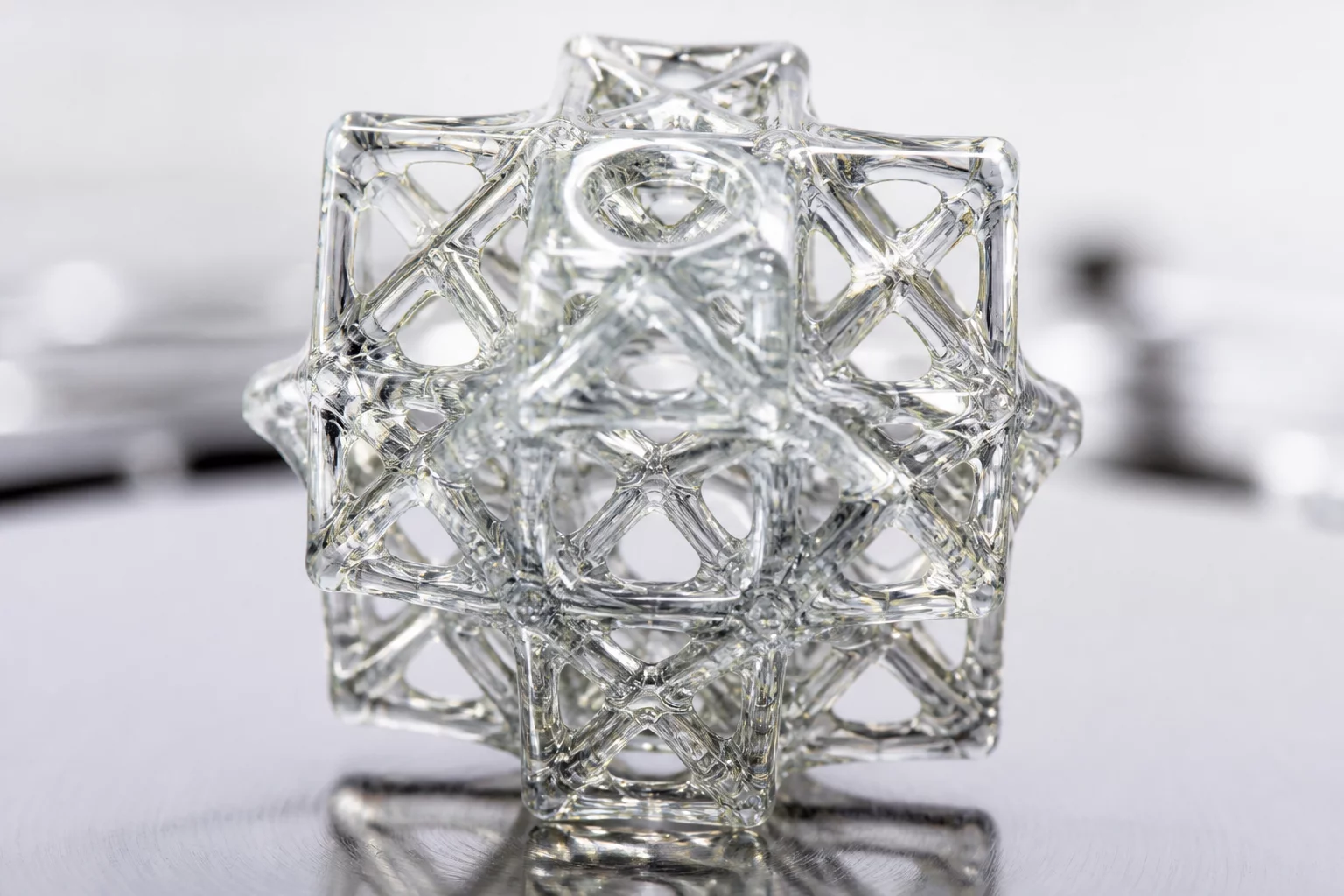
Explore resin-part cases about fine features, fragile geometry, visible variation, repeatability, and acceptance.
Micron-level tolerance tracking enabled for batch #402.
A systematic review of high-precision resin printing cases where microscopic features dictated the success or failure of engineering decisions.
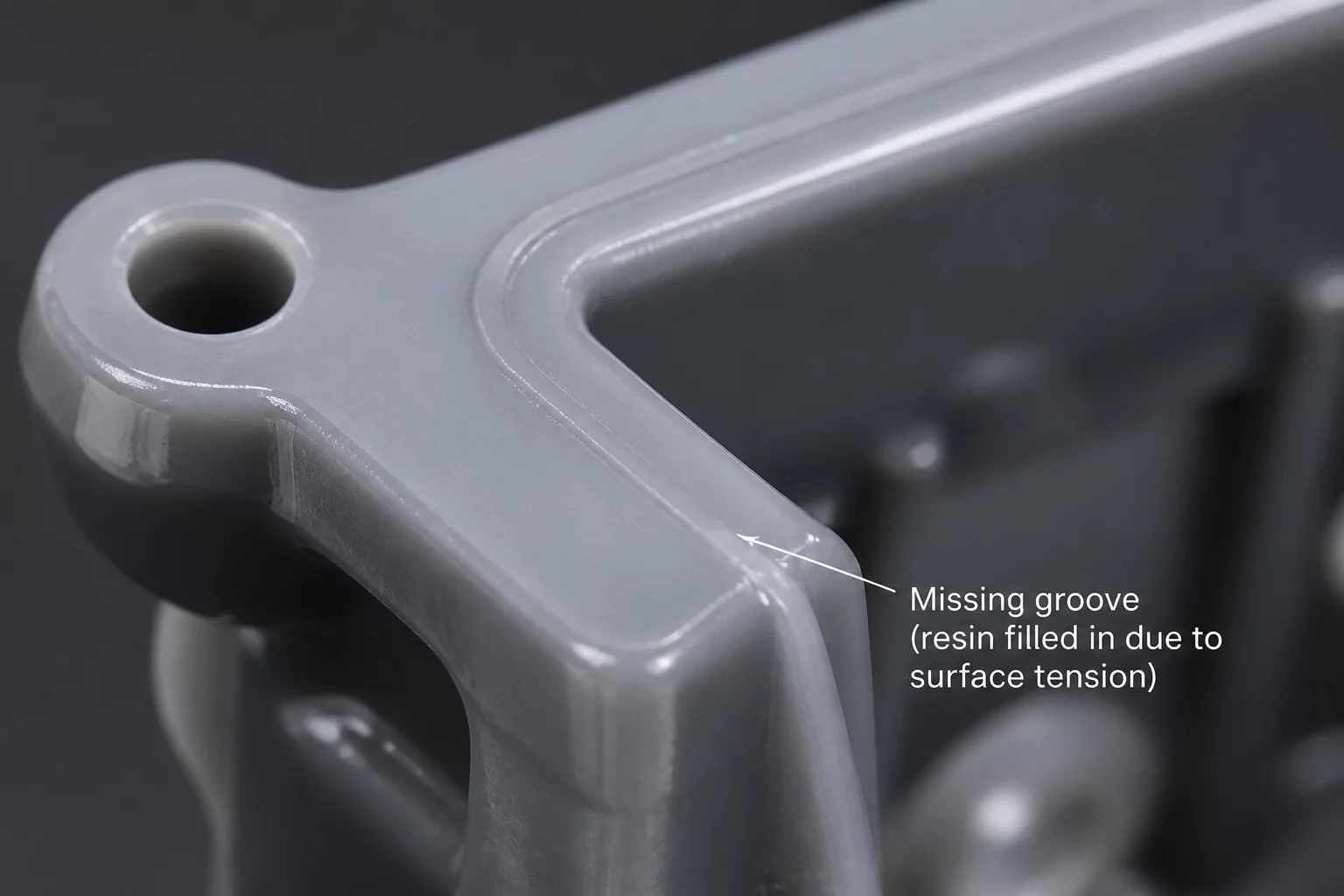
Resin surface tension created an aesthetically pleasing finish that unfortunately smoothed over a critical 50-micron alignment channel.
Analyze Case
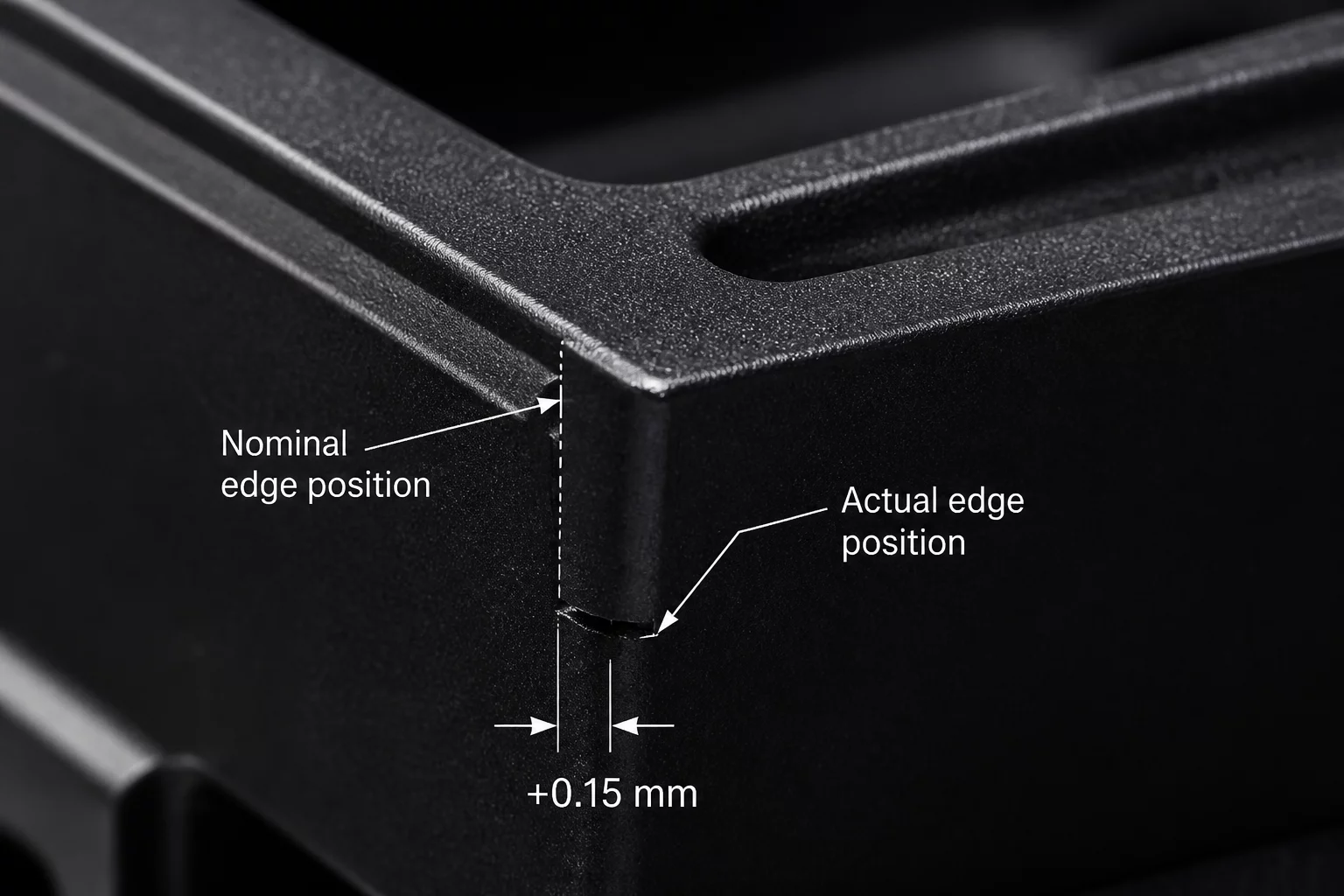
A 0.1mm deviation in a single fillet edge caused a cascade of assembly failures, forcing a complete recalibration of Z-axis offsets.
Analyze Case
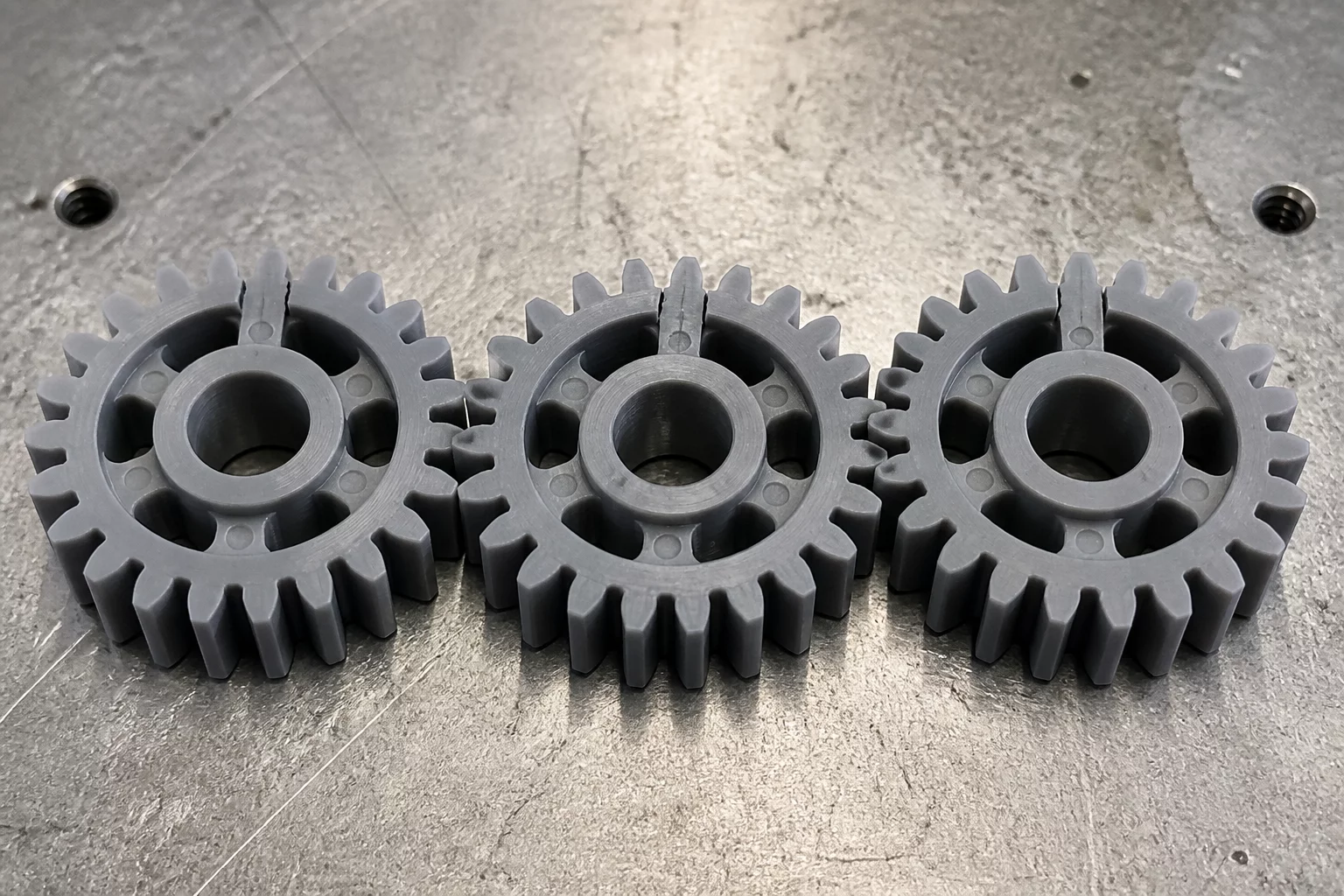
Consistency in failure is still consistency. We analyzed how a recurring resin bleed issue affected identical parts in a batch run.
Analyze Case
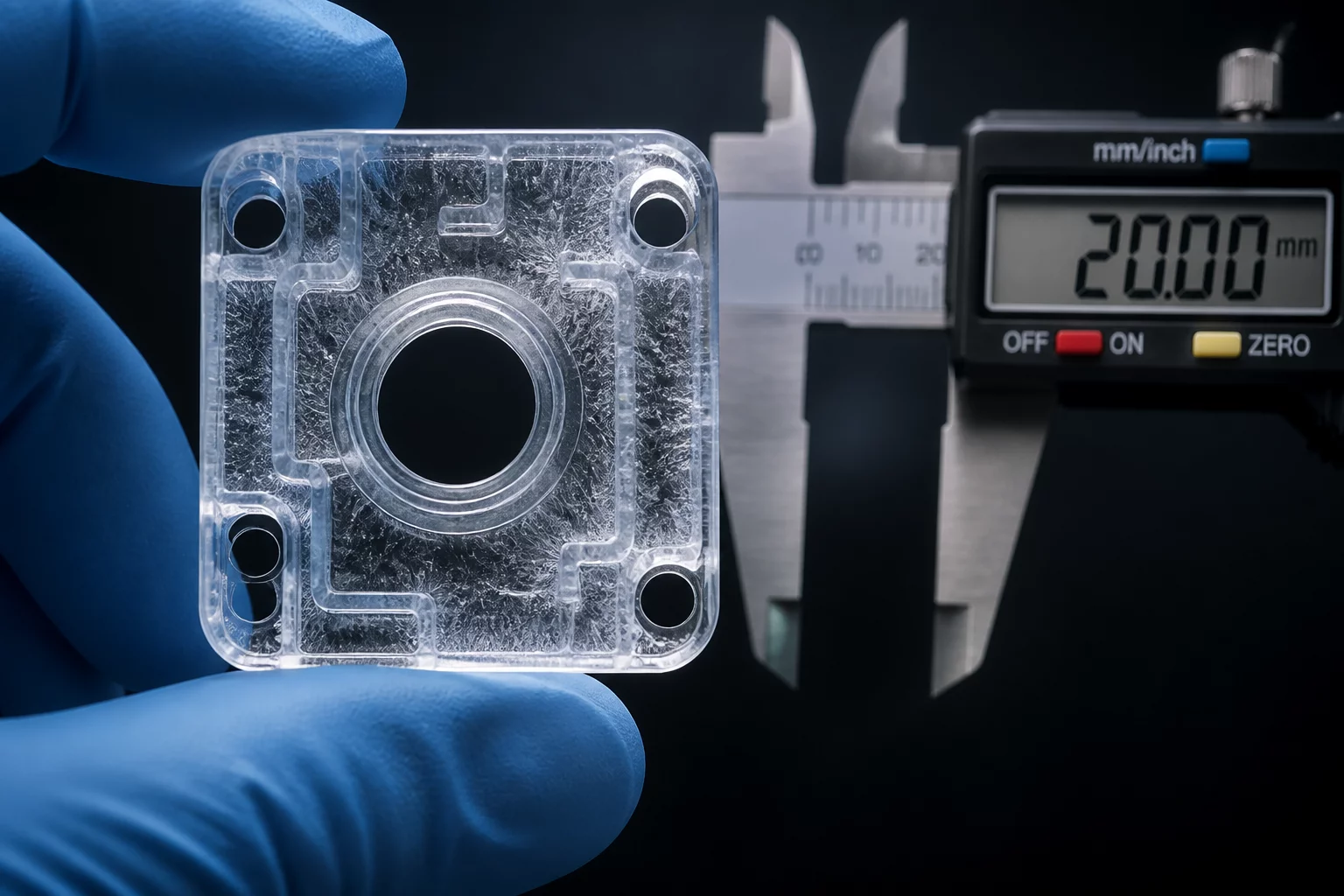
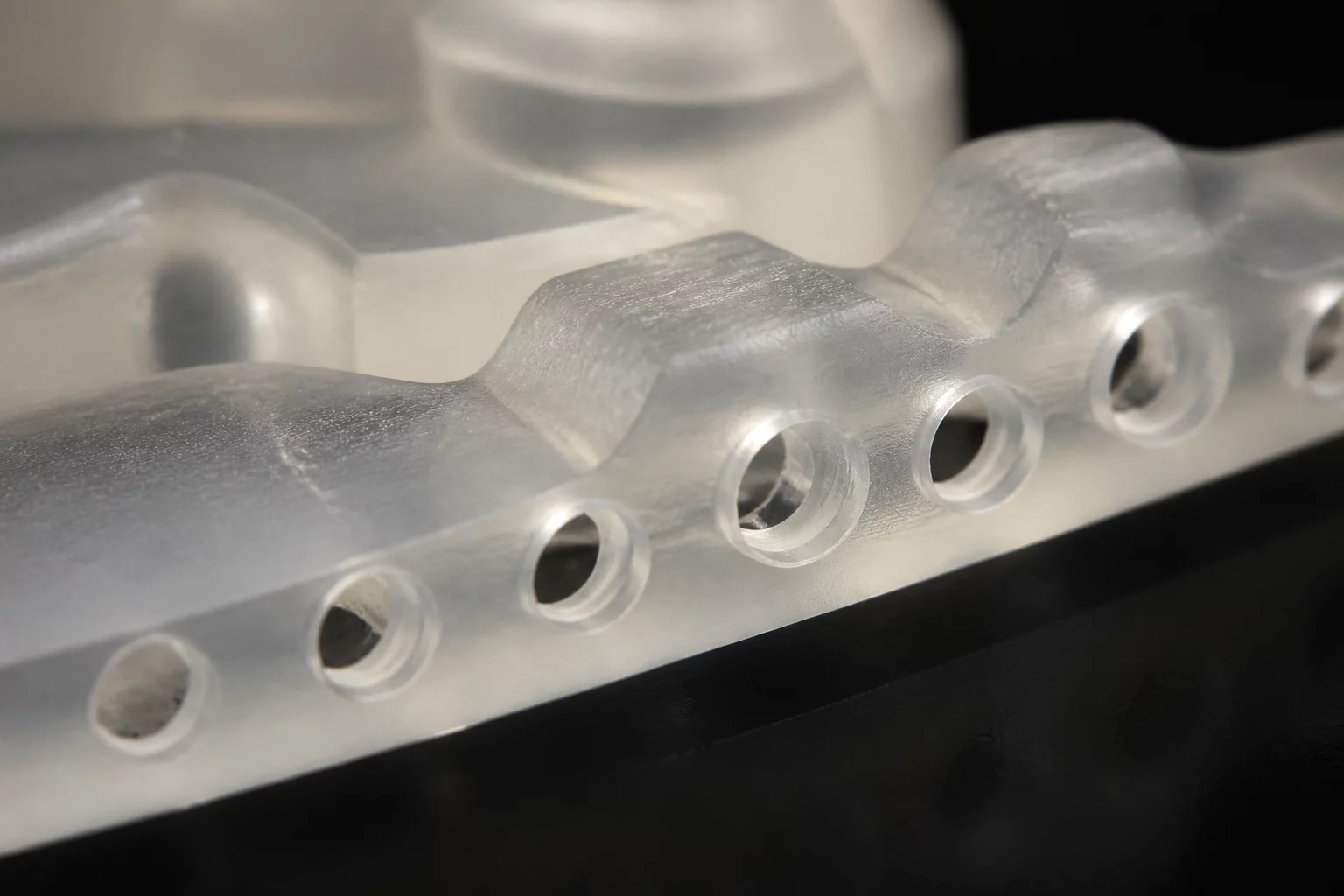
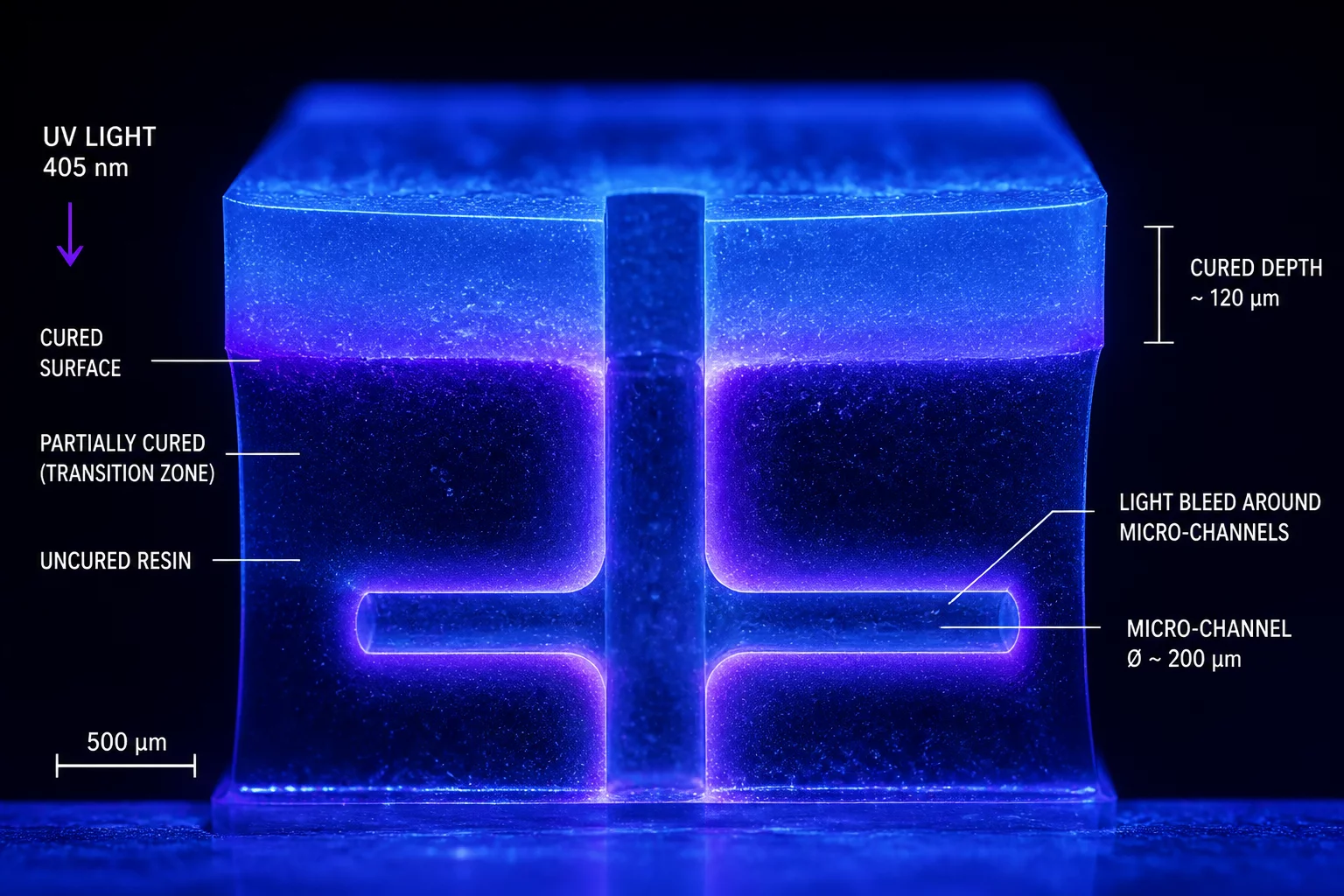
Unexpected light bleed resulted in a textured internal surface that actually improved the mechanical bonding of the dental insert.
Analyze Case
A case where 10-micron layering was selected for optics, despite increasing the risk of delamination under industrial stress.
Analyze Case
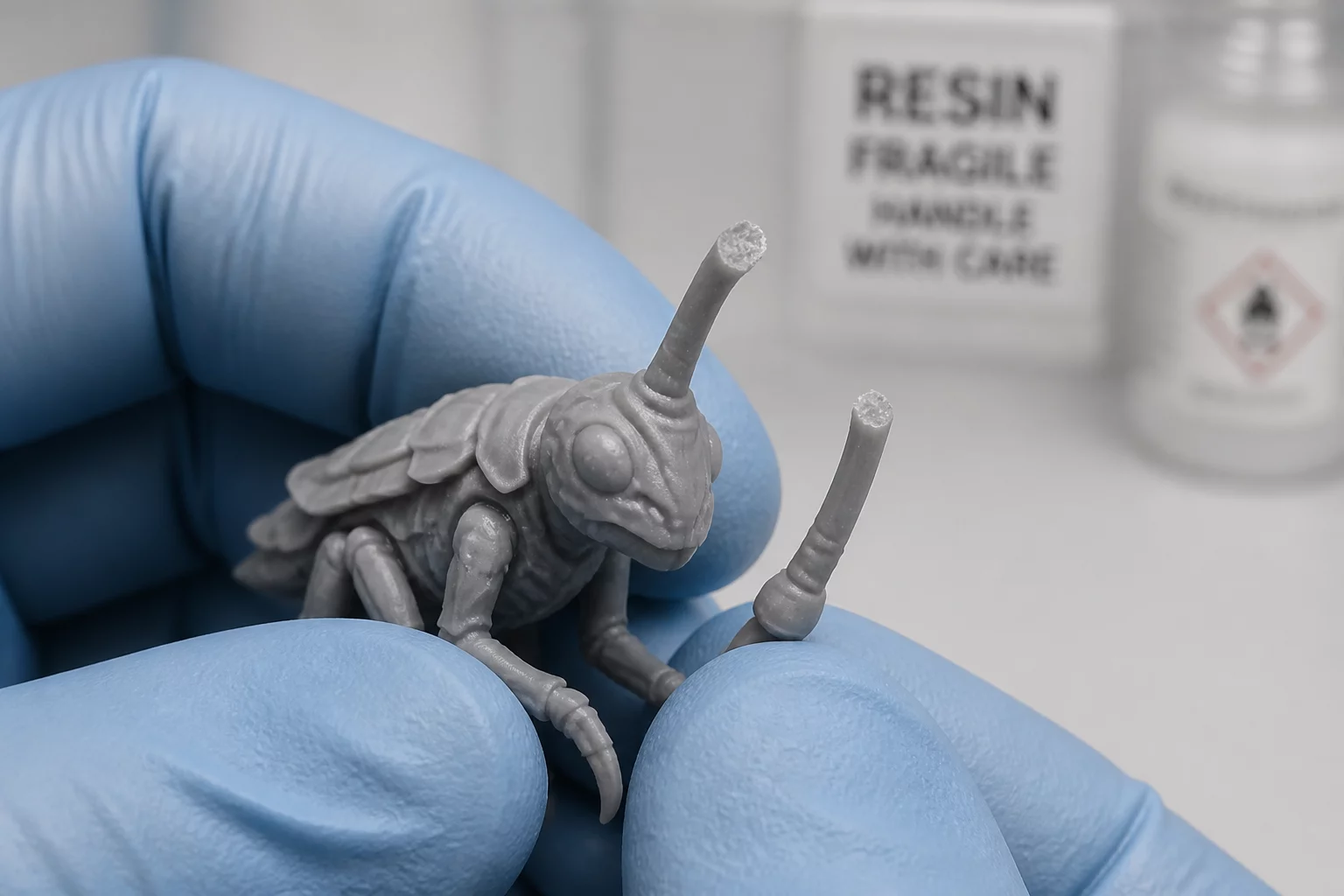
Analyzing the impact of curing brittleness on ultra-fine supports and how it led to a critical feature loss during post-processing.
Analyze CaseSelect the main issue you're facing to explore technical solutions and real-world case studies from our laboratory.
Fine details are often lost due to light bleed (over-curing). By optimizing exposure depth and using high-resolution resins, we can preserve features as small as 50 microns.
Choosing a resin printing service isn't just about priceāit's about technical precision. Use these questions to vet any contractor, including us, to ensure your project meets professional standards.
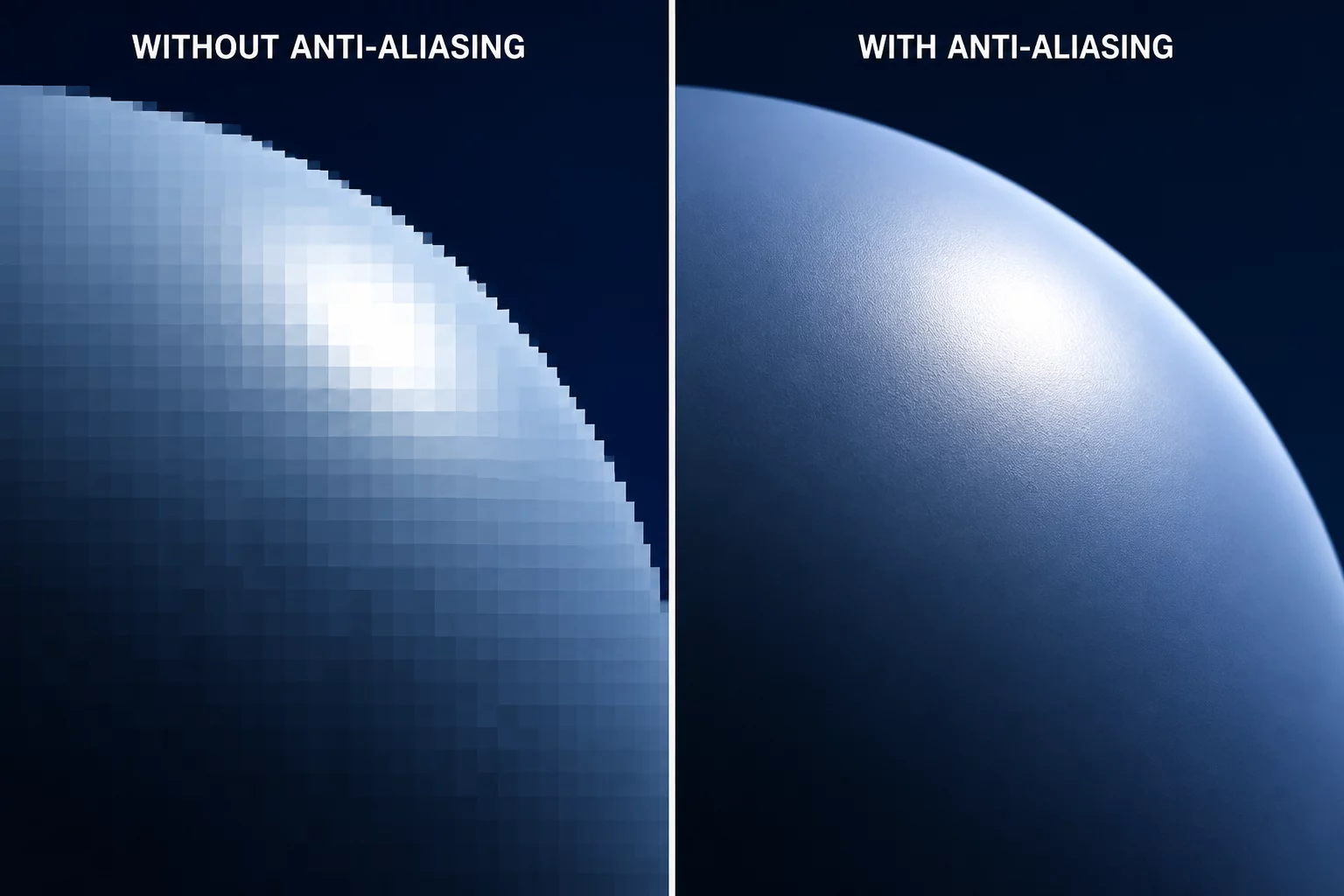
Don't settle for printer specs. Ask about the effective resolution after anti-aliasing and resin light-bleed compensation. An expert should know their machine's limits for micro-details.
Ask if they use specialized blockers or adjust curing depth for translucent resins. If they don't account for UV scatter, your internal channels will likely fuse shut.
Verify if they use ultrasonic cleaners or magnetic stirrers. Manual washing often leaves liquid resin in small gaps, which cures into a blurry mess during final UV exposure.
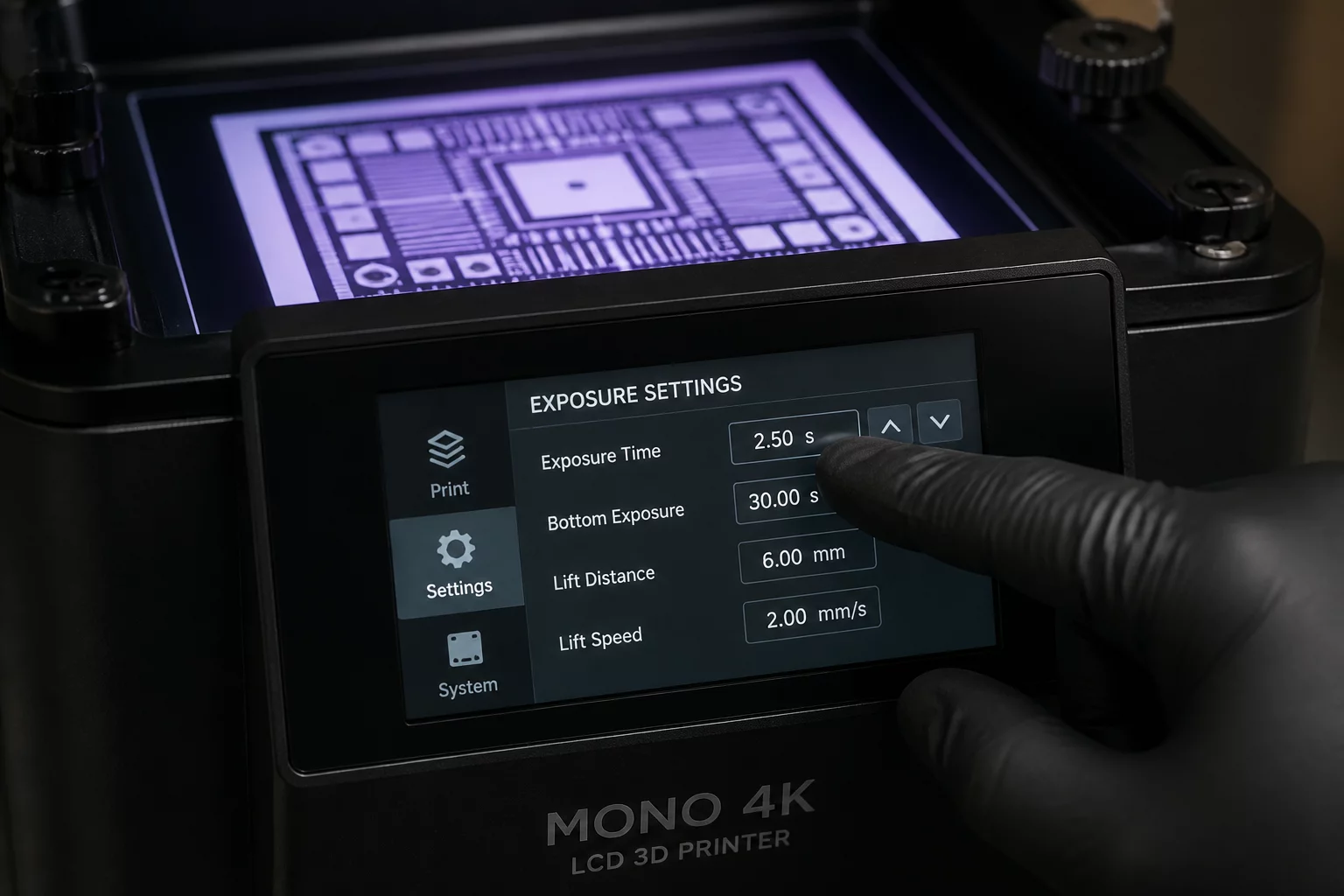
Resin properties change between batches. A professional contractor runs exposure tests (like R.E.R.F.) for every new bottle to maintain consistent dimensional tolerances.
Ask about their post-curing schedule. Controlled, multi-stage curing is required to prevent thin walls from warping or "potato-chipping" after they leave the printer.
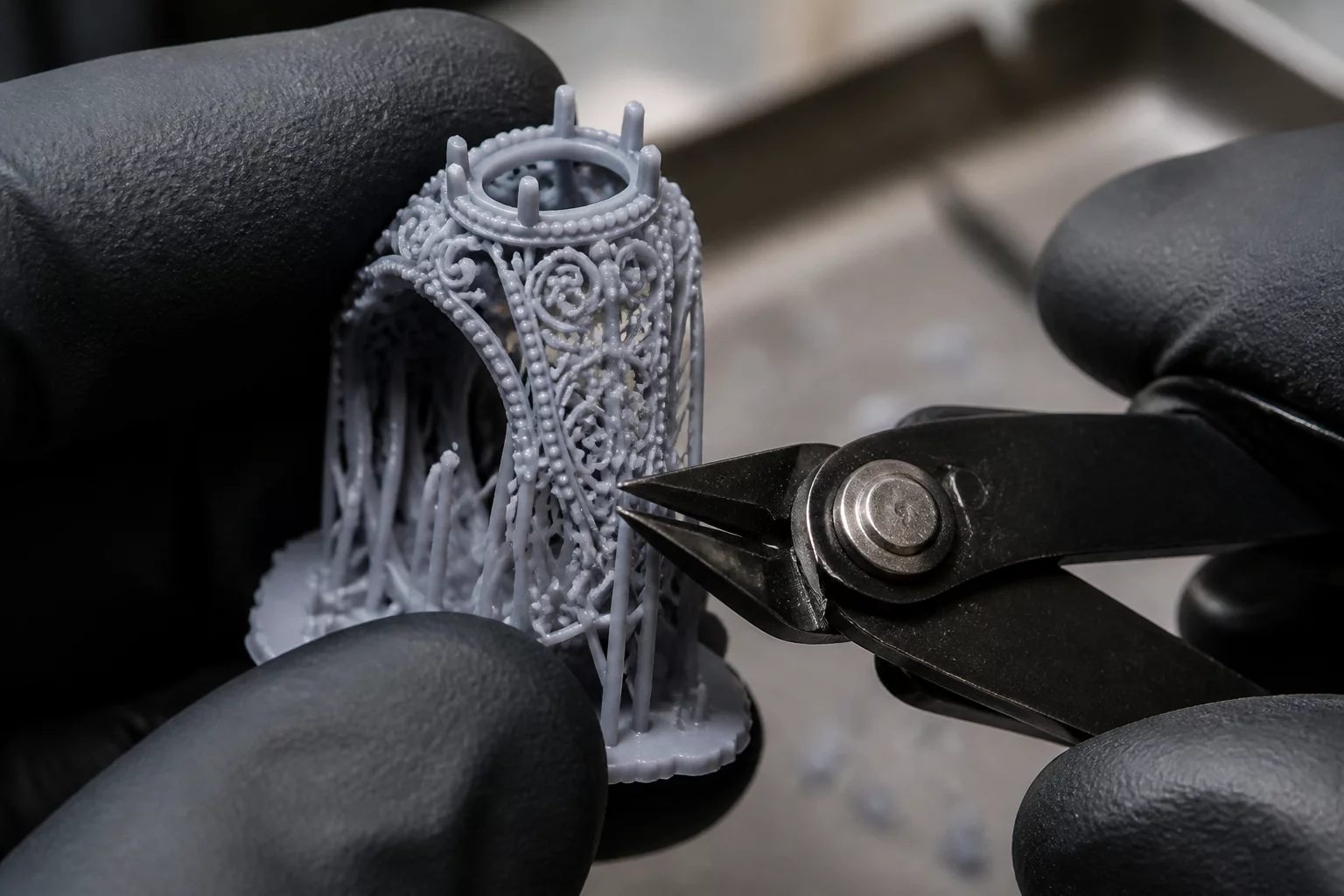
Do they use hot-water soaking or specialized flush cutters? Improper removal leaves pits and scars that ruin the surface finish of high-precision models.
We answer all these questions with every project we deliver. Check our technical cases to see the results.
Small errors in resin printing lead to compounding losses. Quantify the impact of failed prints and technical oversights on your workflow.
The journey from a technical printing challenge to a documented solution in our high-precision casebook.
Submit your resin printing observation, failure, or success story with specific material data and printer settings.
Our specialists analyze the geometry, exposure times, and resin viscosity to identify the root cause of the behavior.
We perform controlled test prints using laboratory-grade photopolymers to validate the proposed technical adjustments.
The results are structured into a comprehensive technical case, complete with macro photography and community insights.
Explore how meticulous technical control transforms photopolymer printing from a gamble into a predictable engineering process.
Achieve sharp edges and microscopic hole tolerances by mastering light bleed and curing depth variables.
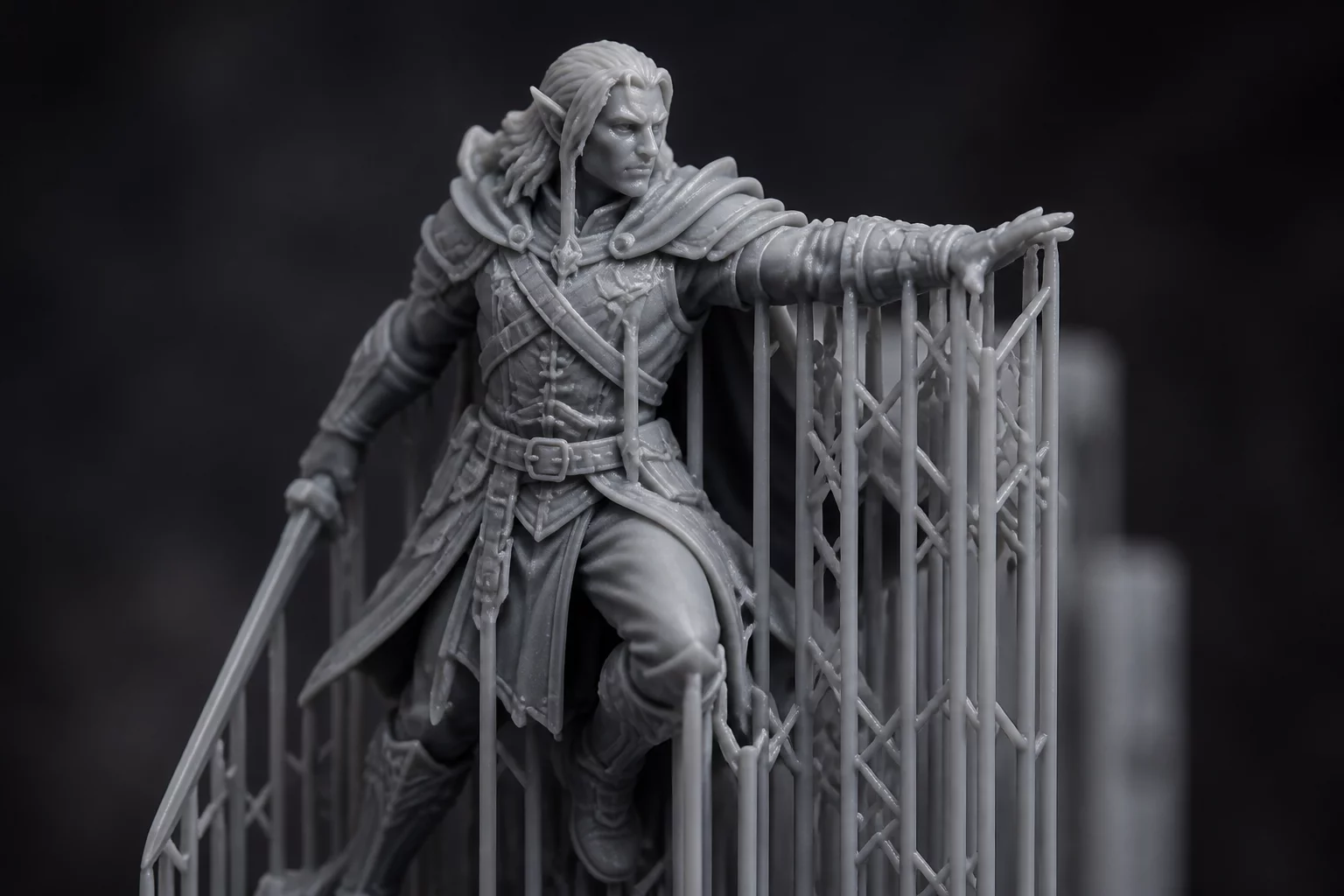
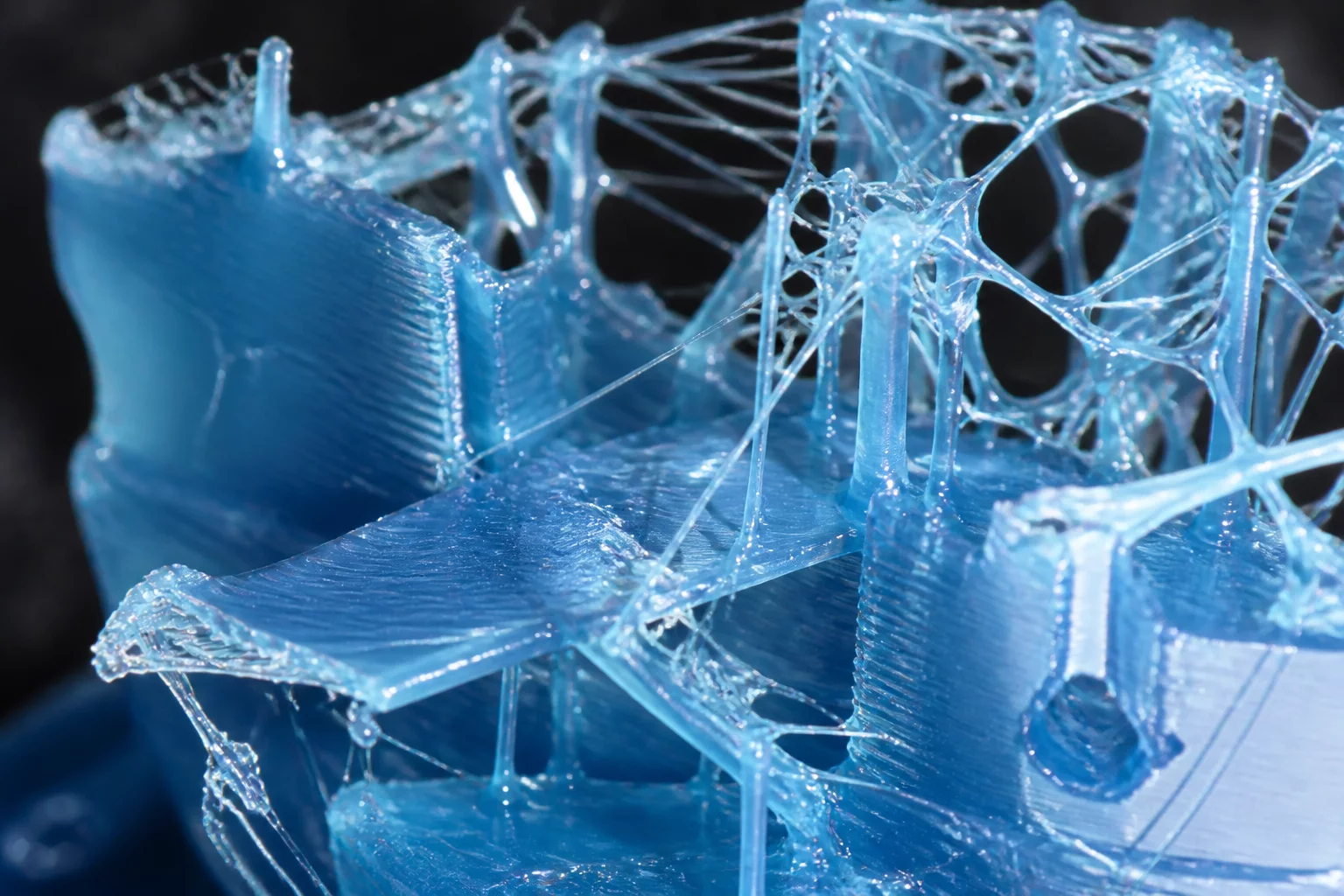
Implement support strategies that preserve fragile geometries and prevent deformation during the peel cycle.
Optimize resin viscosity and temperature to ensure consistent mechanical properties across every print layer.
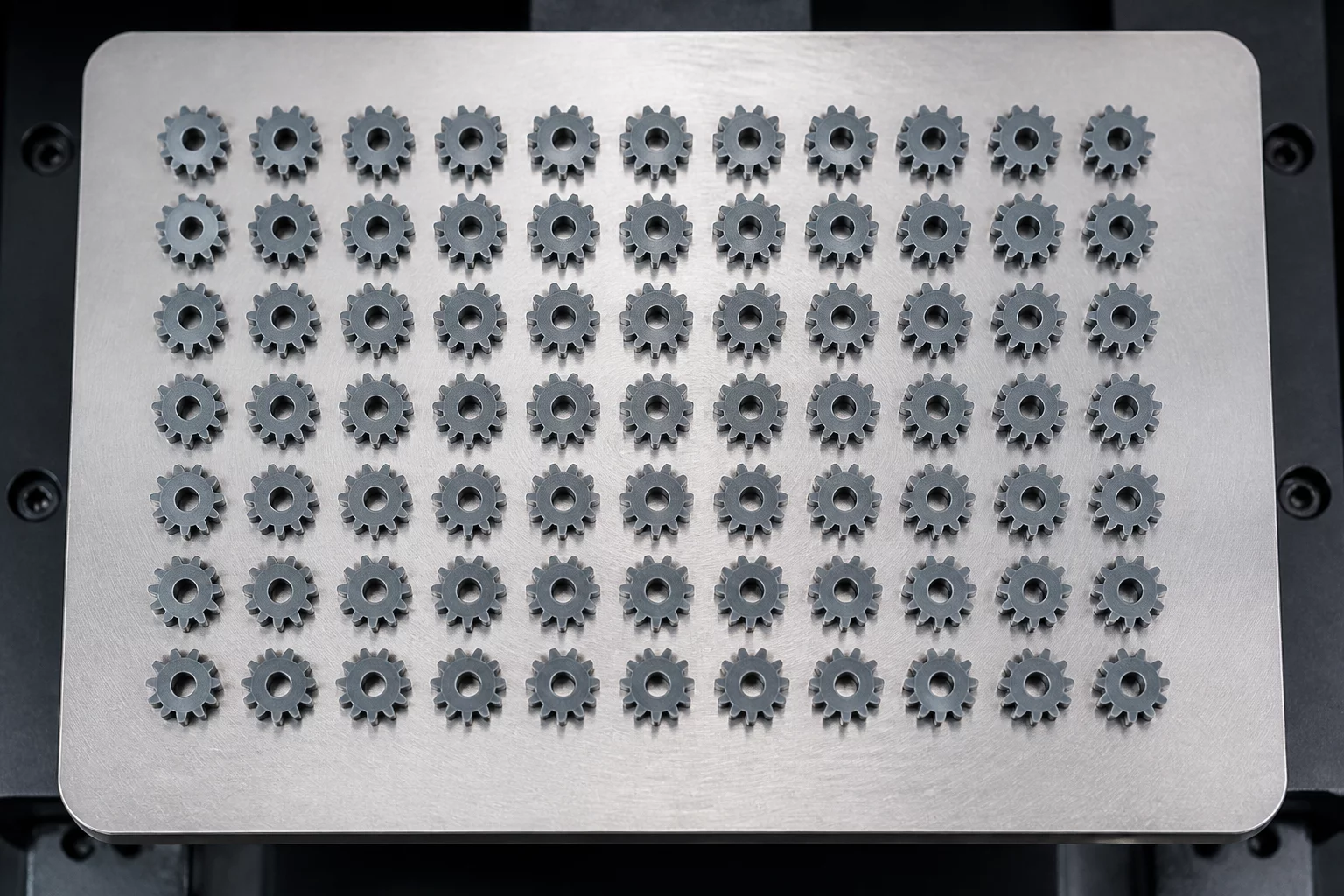
Develop standardized workflows that deliver identical part quality across full-plate high-volume print runs.
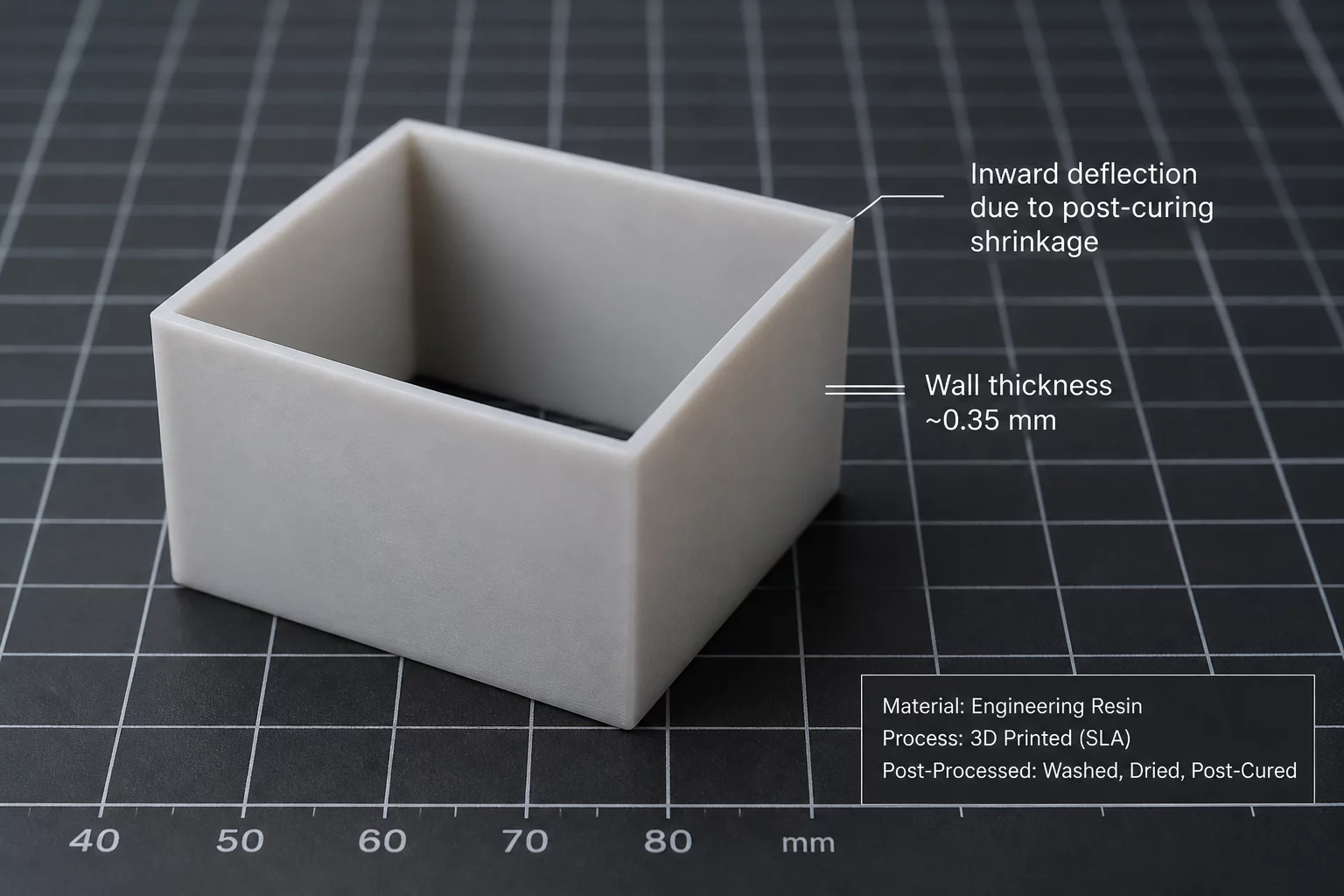
Control dimensional shrinkage to ensure complex mechanical assemblies and joints fit together flawlessly.
Eliminate visible stepping and Z-axis artifacts through advanced anti-aliasing and layer height optimization.
Exploring the impact of micro-details on high-precision 3D resin printing through rigorous testing and technical analysis.
Analyzing the precision of microscopic alignment holes in photopolymer materials for dental applications.
Strategies for managing needle-like support structures in complex geometries for high-detail miniatures.
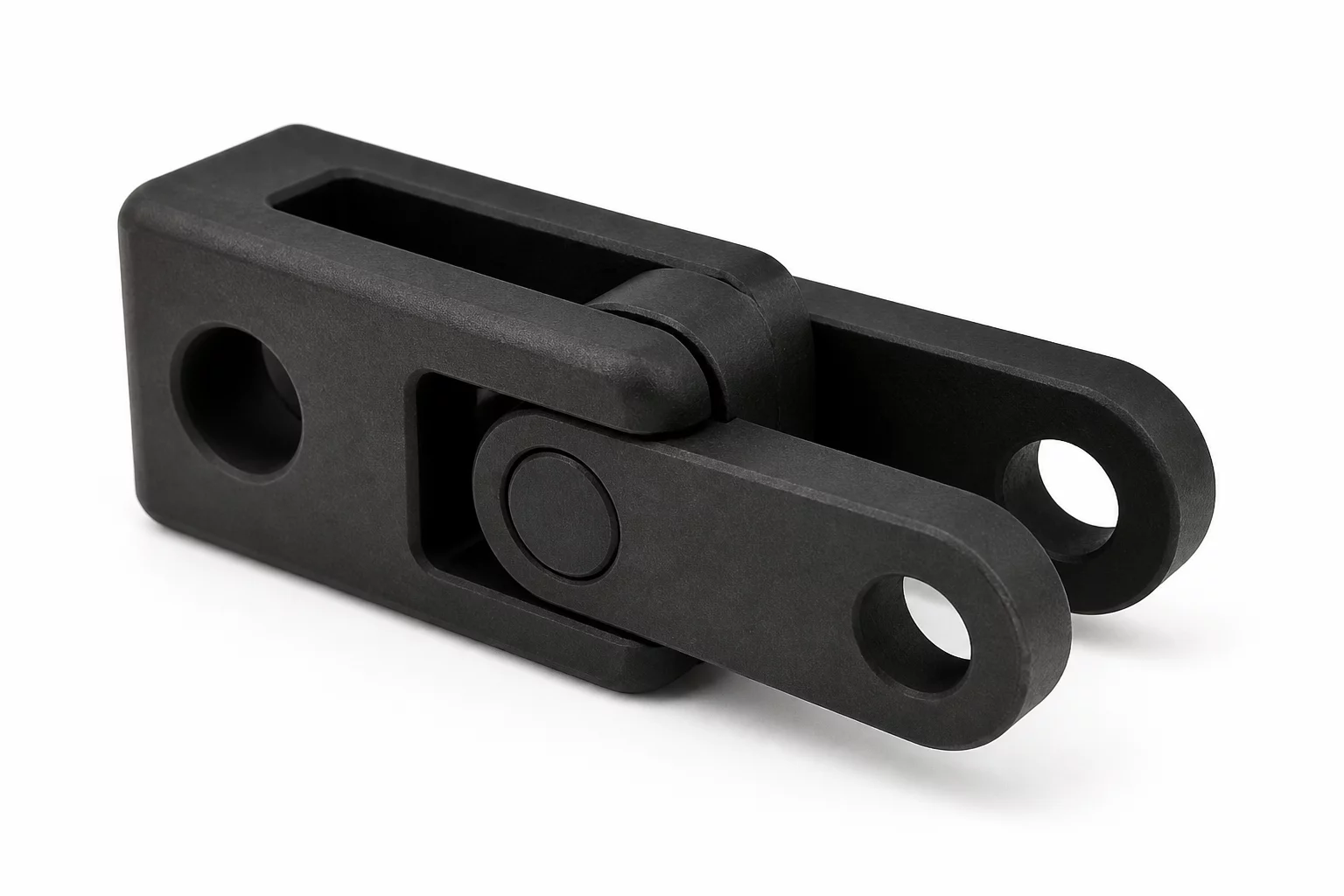
Achieving tight tolerances and perfect fit in mechanical photopolymer assemblies and interlocking parts.
Investigating how liquid resin surface tension impacts the fidelity of sharp corners and fine edges.