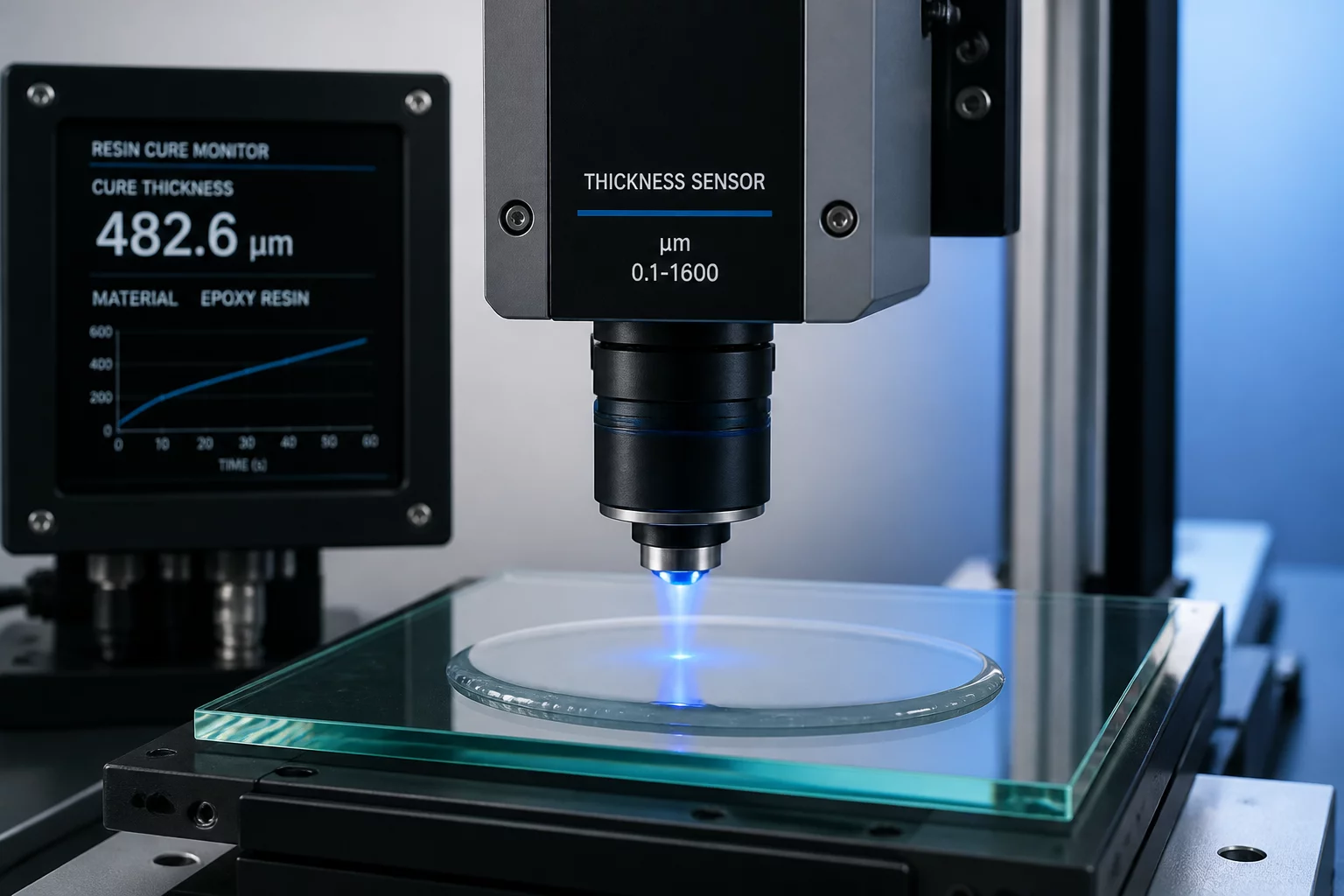
The Foundation of Predictable Curing
In the rapidly evolving world of vat photopolymerization, the lack of a standardized baseline has long been a hurdle for industrial adoption. The National Institute of Standards and Technology (NIST) addressed this by introducing the Resin Working Curve Reference Material, specifically identified as RM 8027. This material isn't just another resin; it is a meticulously characterized chemical standard designed to calibrate the measuring equipment and validate the processes used to determine how deep a resin cures under a specific light dose.
By establishing a standardized "Working Curve," engineers can determine two critical parameters: the critical exposure (Ec) and the penetration depth (Dp). The critical exposure represents the minimum energy required to initiate the solidifying reaction, while the penetration depth describes how far light travels into the material before being absorbed or scattered. Understanding these variables allows for the fine-tuning of layer height and exposure times, ensuring that micro-details are preserved without light bleed or under-curing artifacts.
Standardizing Measurements Across Platforms
One of the primary challenges in 3D printing is variability. A resin that prints perfectly on one DLP machine might fail on an LCD-based system due to differences in light intensity and wavelength distribution. NIST RM 8027 provides a stable chemical matrix that behaves predictably. When used as a benchmark, it allows laboratories to compare results directly, eliminating the variables inherent in proprietary resin formulations. This promotes a higher level of dimensional accuracy, which is non-negotiable in fields like dentistry or precision mechanical engineering.
Technical Reference FAQ
What is the primary goal of NIST RM 8027?
It serves as a tool for calibrating equipment and validating measurement methods for curing depth in photopolymer-based 3D printing.
How does it benefit professional workshops?
It allows for the verification of light source intensity and the adjustment of slicing parameters based on a known, verified standard, leading to repeatable results.
Is this material compatible with 405nm light sources?
Yes, the material is optimized for the ultraviolet and visible light ranges typically used in modern SLA, DLP, and LCD printers.
Add Your Perspective